The Challenge of Sourcing Well in Bali
Bali is one of the most exciting dining destinations in the world, but it is also one of the most demanding environments in which to source premium ingredients consistently. The tropical climate, the distance from European producers, and the complexity of import logistics create real constraints that most restaurant menus quietly conceal.
Sourcing honestly in Canggu means navigating those constraints without shortcuts. It means knowing which products are genuinely better when flown in, which can be sourced regionally with equal results, and which local Balinese ingredients are not simply a compromise but a genuine asset.
Seafood: The Heart of the Mediterranean Kitchen
Seafood is not a secondary consideration at Giselle, it is the central pillar of the menu’s identity. That means the standards applied to its sourcing are higher here than almost anywhere else on the plate.
Wild-Caught and Line-Caught Where It Matters
For finfish, Giselle sources line-caught where possible. The distinction is not decorative. Line-caught fishing reduces bycatch, produces less physical stress on the fish, and results in a cleaner flavour in the flesh. When the menu specifies line-caught grouper or wild sea bream, that specification is doing real work, not filling space on the page.
Grouper sourced from Indonesian waters and premium reef fish selected from regional suppliers allow Giselle to maintain seasonal freshness without the carbon cost of flying all fin fish from European waters.
Premium Imports for the Raw Bar
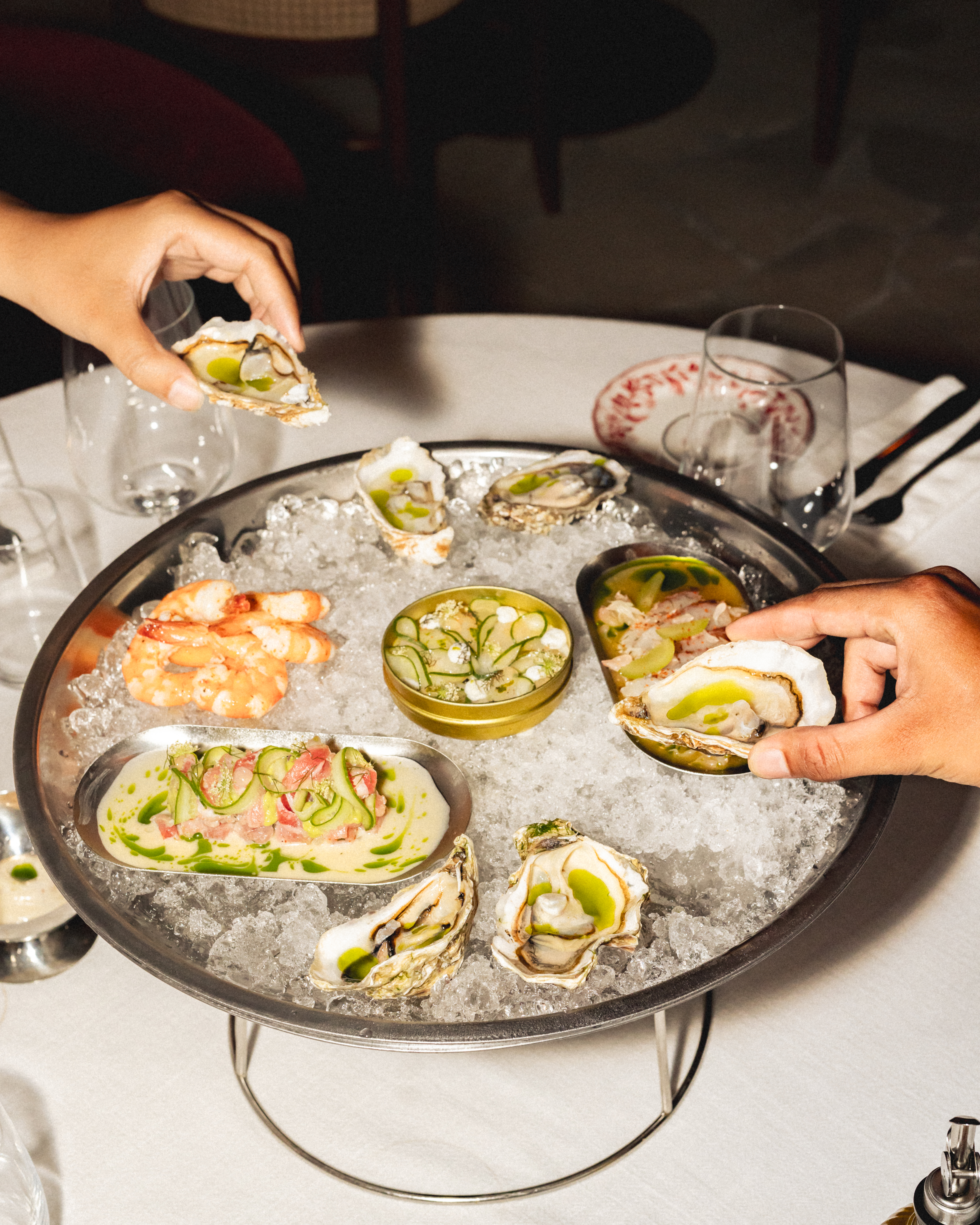
The crudo bar operates under a different logic. Wild Tasmanian salmon, Hokkaido scallops, and bluefin tuna tartare are products that exist at the quality level they do precisely because of where and how they are raised or caught. Sourcing these from their regions of origin is not a luxury decision, it is the only way to deliver the dish correctly.
Hokkaido scallops, for instance, benefit from the cold, mineral-rich waters of northern Japan in ways that no comparable product from warmer seas can replicate. The texture, sweetness, and saline quality are inseparable from the geography.
Oysters and Shellfish
Oysters at Giselle are sourced from selected suppliers whose farming practices reflect the restaurant’s standards, cold water, low-density growing conditions, and careful handling through the cold chain. In a warm climate, the integrity of that cold chain from producer to plate is non-negotiable.
European Products: When Origin Is the Quality
A Mediterranean menu requires certain ingredients that cannot be adequately replicated closer to home. Giselle’s kitchen team makes deliberate decisions about which European products to import and applies consistent standards to their selection.
Aged Cheeses
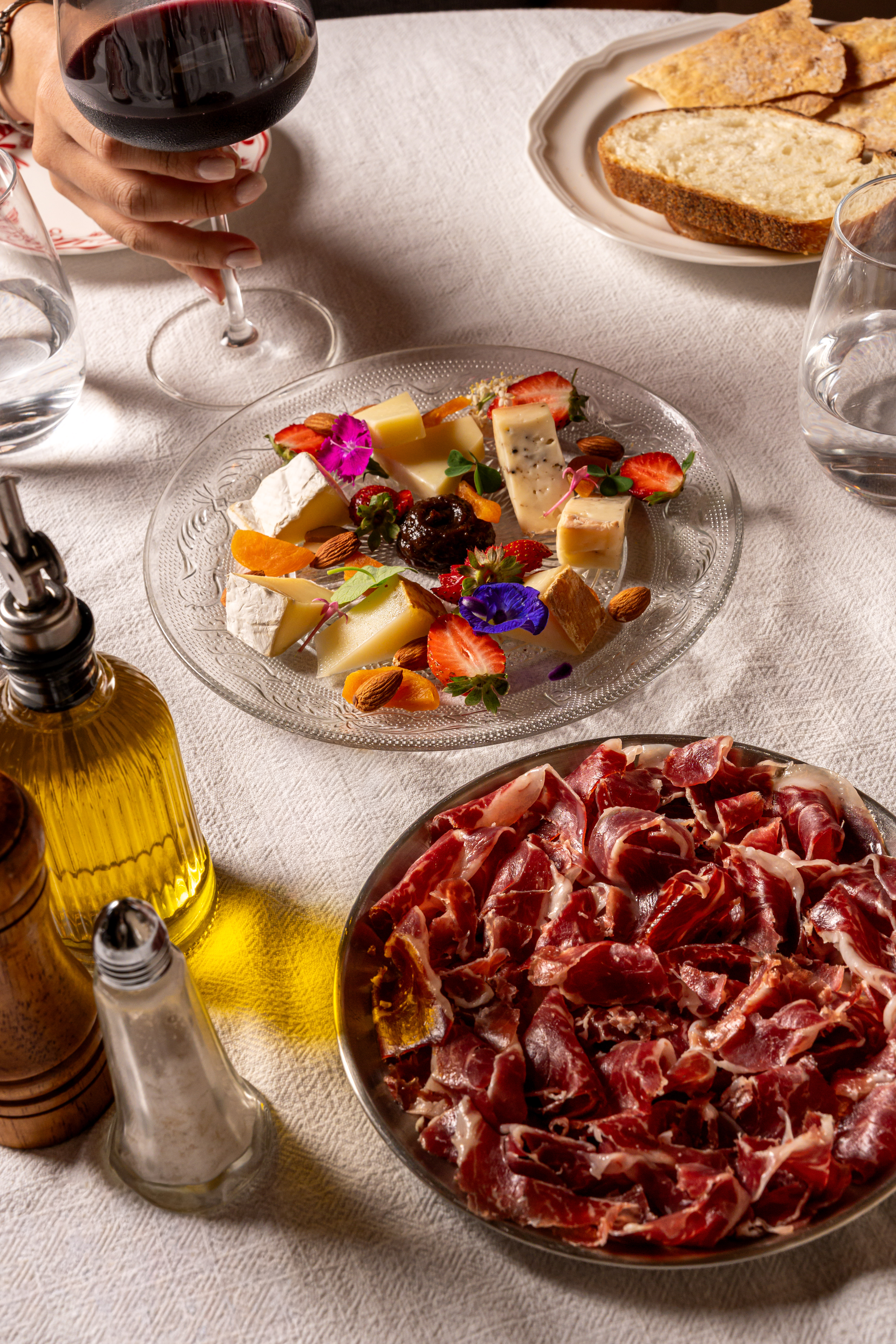
Parmesan Reggiano, Comté, and similar aged cheeses are products whose identity is protected by geography and production law for good reason. The flavour, crystalline texture, and depth of a properly aged Comté from the Jura region is the result of specific milk, specific culture, and specific affinage, none of which can be reproduced outside that ecosystem. At Giselle, these cheeses appear in the pasta section where their role is structural, not decorative.
Cured and Preserved Meats
Paris ham, guanciale, and other cured products on the menu are sourced from producers whose standards for animal welfare and curing technique are consistent with the kitchen’s expectations. In dishes where the cured meat is a primary flavour, the agnolotti, the octopus preparation, the provenance of that product is directly legible in the finished dish.
Olive Oil
Olive oil occupies a uniquely central position in a Mediterranean kitchen. At Giselle it functions as a cooking medium, a finishing element, and in the case of the grouper confit, the entire cooking environment. The quality of the oil, its freshness, acidity, and varietal character, is directly present in every preparation it touches. Sourcing it correctly is not optional.
Local and Regional Ingredients: Bali on the Plate
The most honest approach to sourcing in Bali is not to import everything and perform a Mediterranean simulation. It is to identify where local and regional products genuinely match or improve on the alternatives, and to use them without apology.
Fresh Herbs and Aromatics
Bali’s tropical climate produces herbs and aromatics that, used correctly, integrate naturally into Mediterranean cooking. Fresh basil, parsley, and the aromatic backbone of many of Giselle’s preparations are sourced from regional growers whose product cycles with the season and arrives the same day it was cut.
Seasonal Vegetables
The sides menu and several main preparations draw on Indonesian and Balinese vegetables sourced from market suppliers and small-scale growers. Zucchini, asparagus grown in the volcanic highlands, and seasonal greens rotate based on what is genuinely good rather than what is consistently available year-round.
The Honest Limit of Local Sourcing
Giselle does not claim that everything on the menu is local because it is not, and that claim would be dishonest. The Mediterranean kitchen that defines the restaurant’s identity requires certain ingredients that grow or are produced elsewhere. What the kitchen does is source those ingredients as responsibly as possible, apply local and regional products where they are genuinely superior, and communicate clearly about what is on the plate.
Why This Approach Matters for Guests
The sourcing choices described here are not made for marketing purposes. They are made because they produce better food. When a guest eats the line-caught grouper confit, they are tasting the result of a sourcing decision made weeks before the dish was cooked. When the pasta arrives with Comté, the depth of flavour on the plate is a direct consequence of someone’s decision to source that cheese from the right producer at the right age.
In a restaurant that positions itself around ingredient quality and Mediterranean precision, those decisions are not background detail. They are the food.
Conscious Dining at Giselle: What to Ask for at the Table
Guests at Giselle are welcome to ask their server about the origin of specific products. The kitchen team is informed about sourcing decisions and can speak to the provenance of the seafood, the cheese selection, and the produce in season on any given evening.
- Ask about the day’s fresh fish, sourcing changes seasonally
- The wine list includes natural and biodynamic producers worth exploring
- Seasonal vegetable preparations rotate, the current selection is always available from your server
